
Commercial real estate has undergone a fundamental shift over the past decade. In today’s competitive real estate market, a commercial property’s exterior is no longer just a backdrop—it is a functional asset that directly influences tenant satisfaction, guest loyalty, and overall bottom-line revenue. Property managers, real estate developers, asset managers, and corporate facility directors are discovering that the environment surrounding a physical building is just as valuable as the square footage enclosed within its walls. Whether managing a bustling retail center, a high-density multi-family residential community, an expansive corporate office park, a private golf club, or a luxury resort destination, the quality of the exterior environment directly dictates consumer behavior. It influences how long visitors remain on-site, how frequently clients return, and how loyal residential and commercial tenants remain over multi-year lease terms.
Customer retention in physical spaces relies on creating memorable, frictionless, and thoroughly enjoyable experiences. When a commercial site looks neglected, feels uncomfortable, presents accessibility challenges, or suffers from basic utility failures, visitors leave quickly and seek modern alternatives. Conversely, a cohesive exterior environment that strikes a harmonious balance between aesthetic elegance, visitor comfort, structural integrity, and smooth utility operations turns a standard property into an engaging destination. Transforming an outdoor footprint from a simple pass-through zone into an immersive lifestyle environment requires a systematic, multi-tiered investment strategy across four primary operational areas: visual presentation, recreational features, backend utility coordination, and structural asset protection.
Cultivating Lasting First Impressions Through Grounds Maintenance
The customer retention journey begins long before a client, guest, or resident steps through the front doors of a facility. The psychological impression of a brand or property takes shape the moment a vehicle turns off the main road onto the approach driveway, where every visual detail communicates a silent narrative about the organization within. Visual appeal establishes an immediate, subconscious baseline of perceived quality, security, institutional pride, and professional management. Dense, vibrant green lawns signal careful attention to detail, financial health, and continuous, proactive care. Achieving and maintaining thick, weed-free turf across sprawling commercial acreage, however, is never a matter of luck; it demands a science-backed, highly consistent fertilization strategy tailored specifically to regional soil chemistry, seasonal climate shifts, turfgrass varieties, and local precipitation patterns. Regular, precisely timed nutrient applications build resilient, deep-reaching root networks that easily withstand heavy foot traffic, summer droughts, disease pressure, and severe winter frosts. This ongoing investment prevents the unsightly, patchy, and yellowing turf that subconsciously signals neglect, tight budgets, or poor management to high-value clients and prospective long-term tenants.
Surface cleanliness plays an equally significant role in cultivating corporate trust, elevating brand equity, and reinforcing brand loyalty over time. Hardscape elements—including wide concrete pedestrian arcades, decorative stone plazas, historic brick paver courtyards, retaining walls, loading zones, and multi-level parking structures—continually collect motor oil drips, tire rubber, windblown dirt, mold spores, slick algae, and atmospheric soot. Over time, this cumulative buildup dulls the property’s architectural finish, hides premium design elements, and creates slick, dangerous walking conditions for patrons. Partnering with a professional pressure washing company allows asset managers to systematically restore high-traffic surfaces to pristine condition through modern commercial-grade equipment and specialized cleaning solutions. Deep-cleaning stubborn oil stains, lifting embedded environmental grime, and stripping away slick moss restores the vibrant, welcoming appearance of the entire exterior facade. Pristine walkways and sparkling stone plazas not only improve overall property safety and drastically reduce costly slip-and-fall liabilities, but they also signal to visitors that the facility management holds itself to uncompromised standards of hygiene, order, and operational excellence.
The visual impact of immaculate lawns and sparkling stonework can be instantly undone if basic human comfort is compromised during outdoor stay times. Biting mosquitoes, stinging hornets, aggressive ants, flies, and other persistent outdoor pests lurking around alfresco dining terraces, poolside cabanas, courtyard meeting spaces, or manicured gardens will quickly drive guests indoors, shorten their visit, or push them away from the commercial site entirely. A single bad experience with biting insects or an unmanaged nest can ruin a high-stakes outdoor catered corporate event, generate damaging online reviews, or leave a permanently negative impression on prospective residential or commercial tenants. Establishing an ongoing contract for dedicated pest control services creates an invisible, protective barrier around high-density human activity centers. Professional pest management experts systematically target hidden breeding grounds, eliminate active colonies, and deploy eco-friendly deterrents to keep outdoor lounges, dining plazas, and recreational lawns completely comfortable, allowing guests to relax, linger, and focus on their business or leisure activities without annoyance or distraction.
Elevating the Guest Experience with Resort-Style Amenities
While clean grounds and manicured lawns prevent visitors from leaving out of dissatisfaction, high-end experiential amenities actively compel them to stay longer and return more often. Aquatic facilities serve as powerful focal points for modern commercial properties, particularly within multi-family residential complexes, boutique hotels, country clubs, wellness centers, and corporate campuses looking to offer premier wellness incentives. Enlisting a skilled local pool contractor allows property developers to move beyond basic pool designs and create modern architectural water features. From zero-entry infinity pools and integrated thermal spas to lap pools, splash pads, and sleek fountain plazas, custom aquatic construction turns underutilized outdoor acreage into a premier destination that sets a property apart from its regional competitors.
Building a world-class aquatic facility is only the initial step; maintaining its visual brilliance, chemical balance, and structural safety over years of continuous operation demands deep technical expertise. Relying on certified local pool services guarantees that pool chemistry remains perfectly balanced, high-capacity filtration pumps function without disruption, surface tiles remain clean, and all municipal health code regulations are met every single day. A crystal-clear pool entices apartment residents to renew leases year after year and encourages resort guests to extend their stays or book repeat annual vacations. Conversely, an out-of-service pool, cloudy water, or a unexpected health-code closure leads to immediate customer dissatisfaction, public complaints, and long-term brand erosion.
Ensuring effortless mobility across sprawling commercial landscapes, university campuses, expansive golf courses, or large retail-residential developments is another key factor in guest retention. Asking guests, prospective buyers, elderly visitors, or families with small children to walk vast distances across heat-exposed asphalt creates physical fatigue and frustration. Integrating a dedicated local golf cart service into property operations provides access to custom fleets of low-emission electric passenger shuttles and utility vehicles. These golf carts enable site managers to offer luxury valet transit for VIPs, comfortably tour prospective commercial tenants across multi-building campuses, assist guests with heavy luggage or shopping items, and allow maintenance crews to navigate large footprints quietly without disturbing ambient guest experiences.
Strengthening Core Utilities to Ensure Uninterrupted Operations
Behind every pristine lawn, gleaming pool deck, and elegant courtyard lies an intricate, high-capacity utility infrastructure that serves as the invisible backbone of the entire commercial property. While patrons rarely notice backend utility operations when everything functions correctly, a single infrastructural failure instantly destroys customer confidence, generates severe reputational damage, and can force temporary business closures. Commercial properties situated outside dense urban sewer grids rely entirely on private subterranean waste treatment systems to handle heavy daily human volume. Managing these complex systems requires a disciplined, proactive approach rather than waiting for an emergency to strike. Engaging a licensed, experienced septic tank service for scheduled inspections, line jetting, grease trap clearing, drainfield testing, and timely pumping protects commercial operations from catastrophic system backups, foul sewer gas odors, and health department shutdowns during peak operational hours. Proactive waste management ensures that high-volume restaurants, clubhouse facilities, wedding venues, and multi-family residential centers operate continuously, efficiently, and without embarrassing utility failures that drive valuable clientele away.
Smooth commercial operations also rely heavily on specialized outbuildings designed to store essential groundskeeping equipment completely out of the public eye. Heavy industrial machinery, lawn tractors, fertilizer supplies, toxic pool chemicals, extra patio furniture, and specialized maintenance tools must be housed securely to keep high-visibility public spaces clean, safe, and uncluttered. Prefabricated, heavy-duty metal buildings provide a cost-effective, rapidly deployable, fire-resistant, and highly durable architectural solution for housing back-of-house operations away from guest view. These specialized structures can be custom-painted, clad, and structurally finished to match the main building’s architectural palette, ensuring that utility zones and storage yards blend seamlessly into the master landscape plan rather than acting as visual eyesores that detract from the property’s overall prestige and lease value.
Protecting these vital operations structures—and the multi-million-dollar equipment fleets housed inside them—requires industrial-grade access control, physical security, and high-performance weatherproofing. Installing heavy-duty commercial metal doors on storage buildings, workshop bays, utility vaults, electrical rooms, and service entrances provides robust protection against forced entry, vandalism, fire hazards, and severe weather damage. Reinforced steel doors prevent costly equipment theft and structural water intrusion while easily withstanding thousands of continuous open-and-close cycles performed by facility maintenance crews daily. Smooth-operating, attractive service doors eliminate unsightly denting and rust, maintaining a clean, orderly, and highly professional appearance along service corridors, loading docks, and back-of-house access points. By securing these operational facilities, property managers reinforce an overall culture of operational precision, workplace safety, and asset protection throughout the entire commercial estate.
Protecting Physical Structures and Long-Term Asset Equity
A truly comprehensive approach to outdoor property management and customer retention addresses physical infrastructure from the ground up to the roofline. Commercial buildings, outdoor pavilions, covered walkways, porte-cochères, gazebos, and clubhouse roofs define the skyline and architectural silhouette of a property. Contracting regular inspections and proactive repair programs with professional roofing companies ensures that overhead structures remain structurally sound, visually appealing, and fully weather-tight. Routine roof upkeep prevents unsightly water stains on exterior overhangs, stops structural rot before it compromises outdoor shelters, and prevents sudden interior leaks that could damage retail inventory, interrupt business operations, or create health hazards for occupants.
Overhead protection directly impacts guest comfort during adverse weather. Covered walkways, shade pergolas, and well-maintained building eaves allow clients, shoppers, and residents to move between outdoor spaces and indoor facilities comfortably during summer heatwaves or unexpected rainstorms. By maintaining these overhead assets, facility managers create an all-weather environment where visitors feel comfortable remaining on-site longer regardless of changing weather conditions.
Ultimately, customer retention is not driven by a single visual feature or routine maintenance task. It is the cumulative result of every exterior detail working in harmony. When a commercial property blends lush, healthy turf, spotless hardscape surfaces, insect-free seating areas, luxury aquatic features, convenient transportation, invisible utility management, and secure, well-maintained buildings, it ceases to be a simple piece of real estate. It transforms into an immersive, highly functional destination where businesses thrive, residents take pride in their community, and customers willingly return time and again. Investing strategically in commercial outdoor spaces preserves physical property equity while driving long-term revenue, client loyalty, and sustained growth.
Streamlining Site Accessibility and Modernizing Mobility Infrastructure
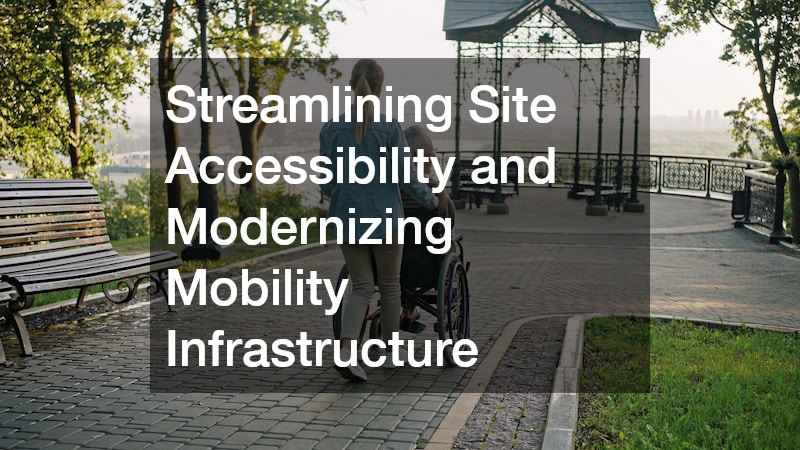
Creating a welcoming exterior environment requires a seamless transition from the public roadway into the private property ecosystem. How visitors arrive, park, and navigate through a commercial site directly influences their overall satisfaction and willingness to return. Inaccessible layouts, cracked asphalt, obscured signage, and chaotic vehicular flow generate immediate frustration before a customer even steps out of their vehicle. Facility directors who prioritize intuitive traffic design, smooth pavement, and dedicated pedestrian pathways transform potential travel friction into an effortless transit experience.
Modern accessibility extends far beyond basic parking spaces and standard concrete ramps. High-end commercial properties increasingly incorporate dedicated micro-mobility lanes, drop-off zones, and charging hubs tailored for alternative transport. Providing clean, well-lit, and smoothly paved avenues for shuttle fleets, utility vehicles, and foot traffic allows guests to explore expansive grounds without feeling lost or unsafe. Brightly lit pathways surrounded by manicured green space encourage visitors to linger, stroll between retail storefronts, and patronize multiple businesses during a single trip.
Integrating clear wayfinding signage with pristine landscaping further refines site navigation. When directional signs are clean, visible, and framed by healthy turf rather than overgrown weeds or cracked concrete, guests easily find their destination without stress. By removing movement barriers and creating an inviting, easy-to-navigate outdoor framework, commercial properties build a stress-free environment that keeps visitors coming back.