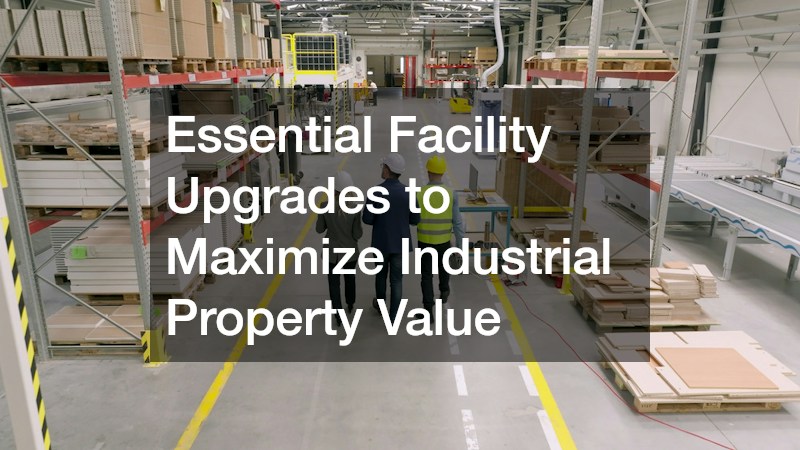
Maintaining and upgrading commercial and industrial real estate requires balancing immediate operational demands with long-term asset appreciation. Industrial properties—such as logistics hubs, manufacturing plants, distribution centers, and flex-space warehouses—face constant wear and tear from heavy vehicle traffic, continuous machinery operation, and extreme environmental exposure. Left unaddressed, minor deferred maintenance can quickly evolve into severe structural inefficiencies, safety compliance violations, expensive emergency repairs, and steep valuation discounts during property appraisals or tenant lease negotiations.
Executing a strategic facility upgrade plan enhances daily operational workflows, reduces utility overhead, improves worker safety, and commands premium leasing rates. Converting an aging asset into a modern, resilient facility requires looking at every corner of the site: from administrative spaces and internal material handling paths to the surrounding grounds and backup utility systems. Property managers, industrial real estate owners, and asset managers can maximize long-term property value through these targeted infrastructure investments.
Establishing a Baseline: Site Assessments and Regulatory Planning
Before allocating capital toward major physical renovations, property owners and asset managers must establish a comprehensive understanding of site boundaries, legal encumbrances, structural capacities, and environmental conditions. Jumping directly into major structural construction or expansion without thorough preliminary due diligence often leads to costly construction halts, municipal zoning fines, and unexpected redesign fees.
A thorough initial site assessment serves as the blueprint for all future capital expenditures. By identifying structural limitations, utility capacities, and legal boundaries early, facility directors can prioritize projects that yield the highest return on investment while ensuring full compliance with regional building codes and zoning laws.
Complete a Thorough Land and Boundary Analysis
Accurate land documentation forms the foundation of any commercial real estate development or major site modification.
- Verify Legal Property Boundaries: Prevent costly boundary disputes with neighboring industrial properties before erecting perimeter security fencing, building exterior expansions, or extending paving.
- Identify Easements and Setbacks: Map out municipal utility corridors, public right-of-ways, underground pipelines, and required building setbacks to ensure planned developments remain fully compliant.
- Evaluate Site Topography: Map out elevation changes across the parcel to anticipate grading issues, soil stability challenges, and drainage requirements prior to bringing heavy earth-moving equipment onto the site.
- Streamline Municipal Permitting: Keep official property boundary files updated and readily accessible to accelerate zoning reviews and municipal construction approvals.
Obtaining an updated building permit survey before finalizing architectural drawings or submitting plans to municipal planning boards ensures that all proposed expansions adhere strictly to local land-use regulations. This proactive step eliminates the risk of costly rework or unexpected permit denials during critical project phases.
Audit Existing Building Envelopes and Core Systems
Evaluating the physical health of existing structures identifies hidden structural vulnerabilities and mechanical inefficiencies before they cause operational downtime.
- Thermal Imaging Audits: Utilize infrared thermography across exterior walls, roofs, and window assemblies to locate hidden insulation gaps, moisture intrusion, and thermal bridging.
- Floor Slab Capacity Testing: Conduct core sampling and load-bearing analysis on concrete slabs to verify they can support modern high-density pallet racking and heavy machinery.
- Electrical Infrastructure Evaluation: Assess primary electrical panels, transformer capacities, and grounding systems to ensure the property can handle the energy demands of modern automated logistics systems.
- Life Safety and Code Audits: Inspect fire suppression systems, emergency lighting, stairwell enclosures, and ADA accessibility paths to identify and eliminate safety non-compliance risks.
Upgrading Heavy Material Handling Equipment and Operations
Internal material logistics form the heartbeat of any industrial or manufacturing facility. Outdated or poorly maintained material handling equipment slows down freight movement, creates severe bottlenecks around loading bays, increases energy consumption, and elevates the risk of workplace injuries. Modernizing internal logistics infrastructure increases daily throughput while protecting building floors, loading docks, and structural columns from unnecessary operational damage.
When potential tenants or buyers evaluate an industrial property, the fluid movement of goods is a major selling point. Properties engineered to facilitate rapid, safe material movement naturally command higher market valuations and attract higher-caliber corporate tenants.
Optimize Warehouse Fleet Operations
A modern, highly efficient material handling fleet relies on equipment reliability, operator safety, and low operational costs.
- Standardize Equipment Specifications: Standardizing fleet models simplifies operator training, reduces spare parts inventory overhead, and streamlines routine preventative maintenance schedules across the entire facility.
- Assess Power Source Alternatives: Compare traditional lead-acid battery systems, internal combustion engines, and modern lithium-ion technology to determine the lowest total cost of ownership based on shift cycles and charging infrastructure.
- Upgrade Dock Levelers and Restraints: Replace manual dock boards with automated hydraulic dock levelers and vehicle restraint systems to accelerate trailer loading and unloading procedures.
- Implement Daily Safety Inspection Protocols: Enforce strict digital or paper-based pre-shift inspection logs to identify hydraulic leaks, tire wear, or brake issues before they cause accidents or structural floor damage.
Acquiring a well-maintained used forklift allows growing facilities to expand their material handling capacity cost-effectively, preserving capital for major structural renovations while maintaining smooth logistics workflows.
Reconfigure Traffic Paths for Maximum Efficiency
Optimizing floor layouts and traffic lanes directly impacts how quickly goods move from dock doors to high-density storage bays.
- Design Single-Direction Travel Lanes: Implement one-way aisle systems in high-density storage zones to minimize traffic collisions and reduce turn-around delays.
- Apply High-Performance Epoxy Floor Coatings: Coat concrete aisles with impact-resistant, non-dusting epoxy finishes that protect the slab and reduce wear on vehicle tires.
- Optimize Aisle Widths for High-Reach Units: Adjust storage rack spacing to accommodate narrow-aisle equipment, instantly increasing usable vertical storage volume without expanding the building footprint.
- Mark Clear Staging and Safety Zones: Utilize durable, high-visibility floor striping to delineate staging areas, pedestrian walkways, and keep-clear zones around electrical panels and eye-wash stations.
Industrial Surface Coatings and Asset Protection
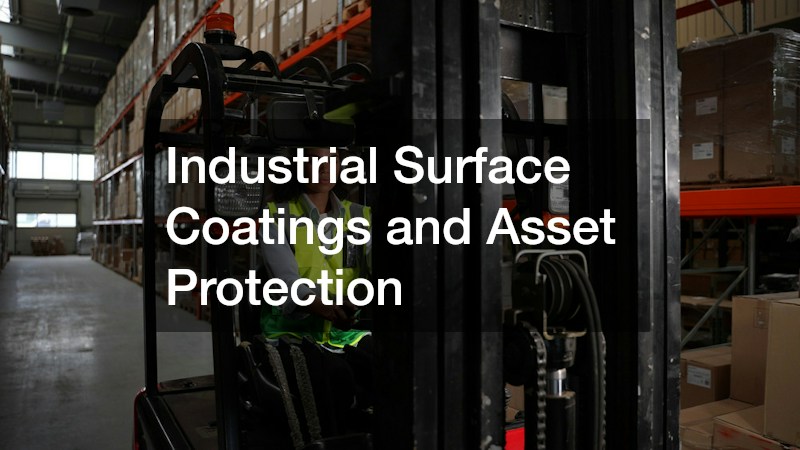
Industrial real estate assets are exposed to harsh environments, including aggressive chemical fumes, heavy physical impacts, constant foot and vehicle traffic, and severe outdoor weather. Applying advanced protective coatings and maintaining high-visibility visual management systems extends the operational life of structural steel, specialized machinery, exterior fixtures, and administrative spaces.
Investing in high-performance surface treatments prevents micro-corrosion from evolving into major structural integrity failures. Furthermore, a clean, well-coated facility projects professional excellence, which instills confidence in inspectors, appraisers, and prospective corporate tenants.
Protect Structural Metal Assets from Corrosion
Exposed steel beams, exterior catwalks, storage tanks, and structural architectural features require robust barrier coatings to withstand aggressive environmental elements.
- Surface Preparation via Abrasive Blasting: Thoroughly clean metal substrates by removing mill scale, old flaking paint, and surface rust prior to coating application to guarantee maximum chemical bonding.
- Select Environmentally Resilient Coatings: Utilize specialized protective finishes that offer high resistance to ultraviolet degradation, thermal expansion, moisture, and chemical exposure.
- Schedule Regular Coating Inspections: Conduct bi-annual visual inspections on exterior steel components to identify micro-cracks or chip points before rust can establish a foothold underneath the protective film.
- Standardize Facility Color Palettes: Apply consistent, professional color schemes across all exterior metal structures, safety railings, and building accents to enhance overall visual appeal.
Utilizing a professional industrial powder coating service provides a dense, durable, and uniform protective finish on metal fixtures, safety bollards, and external equipment enclosures, dramatically extending their operational lifespan.
Protect Exterior Structural Signage and Documentation
Clear site navigation, standardized safety signage, and organized operational documentation are essential for maintaining safety and administrative order.
- Install Weatherproof Exterior Wayfinding: Position durable, high-visibility directional signage at main property entrances to direct heavy truck traffic safely toward designated loading bays and away from administrative parking.
- Display OSHA Safety Protocol Diagrams: Post clear, durable safety instructions and emergency evacuation maps at visible locations throughout processing areas and secondary exits.
- Modernize Administrative and Tenant Signage: Ensure main facility entrance signs, building numbers, and tenant directory boards present a polished visual appearance.
- Maintain Standardized Operational Graphics: Deploy clear visual management boards (5S) across operational bays to maintain organizational discipline and daily workflow structure.
Partnering with a reliable commercial printing service ensures that site safety manuals, administrative documentation, large-format facility blueprints, and durable site signage are produced accurately and legibly.
Enhancing Building Envelope and Energy Efficiency
Energy expenditure represents one of the highest ongoing operational costs for industrial real estate. In an era of rising utility rates and growing corporate sustainability mandates, modernizing a building’s envelope is one of the most effective ways to boost net operating income (NOI) and property appraisal values.
A sealed, highly insulated building envelope stabilizes interior temperatures, protects sensitive inventory from humidity damage, and reduces heat loss during winter and thermal gain during summer. These improvements lower immediate utility bills and extend the working lifespan of expensive HVAC and climate-control equipment.
Modernize Building Fenestration for Thermal Control
Old, single-pane windows and uninsulated commercial window frames bleed conditioned air and subject administrative and production spaces to drafty, unstable indoor climates.
- Upgrade to Thermally Broken Frame Assemblies: Replace obsolete single-pane or aluminum window frames with modern, thermally broken frame systems that eliminate direct cold and heat conduction.
- Install Multi-Pane Low-E Glass Units: Select double- or triple-pane insulated glass units filled with argon gas and treated with Low-E coatings to reflect solar radiation while maximizing natural daylight.
- Integrate Solar Shading Controls: Add motorized exterior louvers or interior solar shades to south- and west-facing office windows to minimize peak afternoon cooling loads.
- Seal Perimeter Frame Openings: Apply high-grade, UV-resistant elastomeric sealants around window openings to eliminate moisture intrusion and drafty air leaks.
Investing in comprehensive window replacement services significantly improves building thermal performance in office zones and mezzanine environments, leading to lower monthly utility bills and better indoor comfort.
Upgrade Commercial Roofing for Long-Term Durability
A failing roof structure is one of the fastest ways to destroy an industrial property’s market value. Water leaks damage stored inventory, ruin expensive manufacturing machinery, and cause hidden structural wood and steel rot.
Securing professional metal roofing services guarantees decades of watertight protection, minimal ongoing maintenance expense, and superior structural resilience against severe weather events.
Site Logistics: Parking, Paving, and Grounds Maintenance
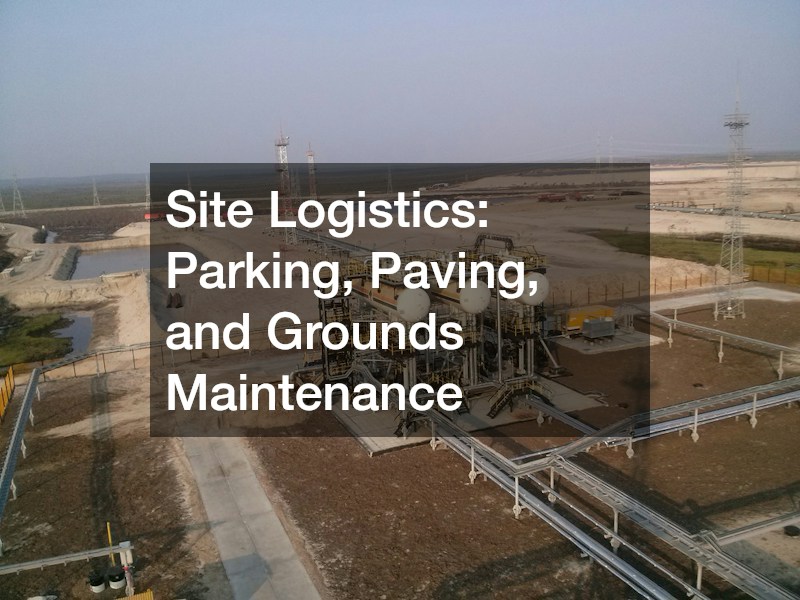
First impressions carry immense weight in commercial real estate. The physical condition of a property’s exterior access roads, heavy truck aprons, parking areas, and surrounding landscape signals to prospective tenants, buyers, and appraisers how meticulously the entire facility is managed.
Beyond aesthetics, properly engineered outdoor surfaces ensure the safe, efficient movement of heavy freight, delivery vans, employee passenger cars, and foot traffic. Neglecting exterior asphalt and concrete surfaces leads to sub-base collapse, dangerous potholes, liability claims, and expensive emergency repaving projects.
Optimize Heavy Vehicle Parking and Loading Bays
Commercial asphalt and concrete pavements bear intense structural loads from fully loaded semi-trucks, trailer staging, and constant employee vehicle traffic.
Engaging experienced parking lot services ensures traffic lanes remain clearly organized, pavement sub-bases stay protected against water damage, and heavy truck turnarounds operate safely.
Integrate Structural Landscape Elements
Integrating functional hardscaping solutions transforms underutilized exterior land into low-maintenance, aesthetically pleasing, and structurally stable outdoor spaces.
Hiring skilled hardscaping contractors allows facility managers to resolve complex site grading and stormwater management issues while significantly elevating the overall curb appeal of the industrial park.
Business Continuity, Power Systems, and Emergency Preparedness
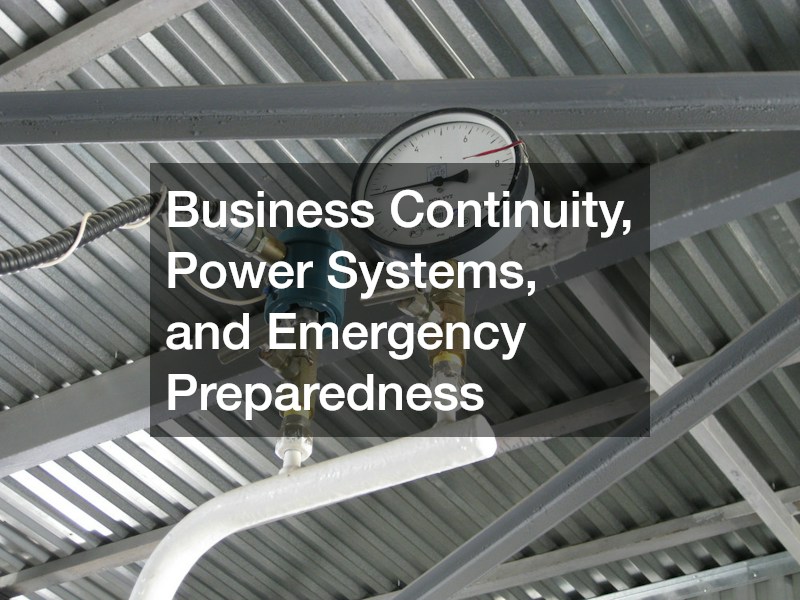
Unplanned power outages present a massive threat to industrial operations. A sudden loss of electrical power can halt manufacturing lines, shut down automated sorting equipment, disable security systems, and destroy temperature-sensitive inventory in cold storage facilities.
Providing robust power redundancy is no longer an optional luxury—it is a core operational requirement for high-value industrial real estate. Properties equipped with dependable emergency power systems enjoy higher tenant retention rates, lower insurance premiums, and a clear competitive edge over older, unequipped properties.
Build Redundant On-Site Electrical Infrastructure
Installing a high-capacity backup power generation system guarantees continuous operational capability during severe storms, utility equipment failure, or regional rolling blackouts.
Developing a robust industrial backup power strategy safeguards high-value inventory, prevents costly operational downtime, and maintains uninterrupted site security during regional power failures.
Service and Repower Stationary Emergency Generators
High-output emergency generators represent significant capital investments. Rather than replacing an entire stationary generator system when the primary driver fails, overhauling internal mechanical components restores system reliability at a fraction of the cost.
Selecting a fully reconditioned remanufactured diesel engine provides a highly reliable, cost-effective method for repowering stationary emergency generators without incurring the exorbitant costs and long lead times of purchasing brand-new generator units.