Running a successful restaurant requires far more than preparing good food and providing attentive customer service. Behind every dining room, kitchen, and takeout counter is a network of specialized services that help the business remain safe, efficient, attractive, and compliant with local requirements. Restaurant owners depend on professionals in areas ranging from equipment repair and waste management to fire protection, construction, energy, and interior design.
These supporting services may not always be visible to diners, but they play a major role in the everyday operation of a restaurant. A broken piece of equipment, an unsafe railing, a grease disposal problem, or an unresolved building issue can quickly disrupt service. By developing relationships with dependable vendors and maintenance professionals, restaurant operators can reduce downtime and create a better experience for both employees and customers.
Keeping the Kitchen Productive

The commercial kitchen is the operational center of most restaurants. When essential equipment stops working, food preparation can slow dramatically or come to a complete halt. Preventive maintenance and access to experienced repair technicians are therefore important elements of restaurant management.
Restaurants that prepare deli meats, cheeses, vegetables, or other ingredients in high volumes often depend on commercial slicers. These machines must remain sharp, clean, properly aligned, and mechanically sound. Professional meat slicing machine repairs can address problems such as uneven cutting, damaged blades, worn belts, electrical failures, and motor issues.
Taking care of equipment before it fails can help restaurants avoid emergency repairs during busy service periods. Managers should create maintenance schedules for refrigerators, freezers, ovens, fryers, ventilation systems, dishwashers, slicers, and other frequently used equipment. Employees should also be trained to report unusual sounds, temperature changes, leaks, or other warning signs.
Reliable equipment allows kitchen teams to work more consistently. It also helps restaurants maintain portion control, reduce waste, and keep food preparation timelines predictable.
Managing Grease and Waste Responsibly
Restaurants produce a significant amount of waste, especially establishments that fry foods or use large quantities of oils and fats. Properly managing this material is essential for maintaining a sanitary workplace and preventing plumbing or environmental problems.
Professional cooking oil disposal services can collect used fryer oil and transport it to appropriate recycling or processing facilities. In many cases, used cooking oil can be converted into biofuel or other useful products rather than simply being discarded.
Restaurant employees should never pour grease or cooking oil down sinks or floor drains. Oil can cool and solidify inside pipes, leading to clogs, backups, and costly plumbing repairs. Proper storage containers should be placed in secure areas where staff can safely transfer used oil after it has cooled.
Regular collection schedules are particularly important for busy kitchens. Overflowing grease containers can attract pests, create unpleasant odors, and increase slip hazards. Working with an experienced disposal company helps restaurant owners keep service areas cleaner while making waste management more predictable.
Protecting the Property From Fire Risks
Commercial kitchens contain open flames, hot cooking surfaces, electrical appliances, and combustible materials. These conditions make fire safety one of the most important responsibilities in restaurant operations.
Restaurants typically need multiple layers of fire protection. Hood suppression systems, extinguishers, alarms, sprinklers, emergency lighting, and clearly marked exits all contribute to a safer environment. Depending on the property, local fire suppression systems may also be installed to protect areas beyond the immediate cooking line.
Fire protection equipment must be inspected and maintained regularly. Grease buildup in ventilation hoods and exhaust ducts can create a serious hazard, so restaurants should also schedule professional hood cleaning based on cooking volume and local requirements.
Managers should make sure employees understand emergency procedures. Staff training may include how to use extinguishers, when to activate suppression equipment, how to evacuate customers, and where emergency shutoffs are located.
Consistent fire safety practices protect more than the building. They help safeguard employees, guests, neighboring businesses, and the restaurant’s long-term operations.
Maintaining Parking Lots and Outdoor Areas

The customer experience begins before guests enter the dining room. Parking areas, sidewalks, loading zones, and outdoor dining spaces all influence how visitors perceive a restaurant.
Cracked pavement, potholes, faded striping, and poor drainage can create safety problems and make a property appear neglected. Professional asphalt services can help restaurants repair damaged parking areas, resurface aging pavement, improve drainage, and restore parking lot markings.
Parking lot maintenance can also improve accessibility. Clearly marked spaces, smooth walking surfaces, and properly positioned ramps help customers move safely between their vehicles and the building.
Restaurants with drive-through lanes or frequent delivery traffic may experience faster pavement deterioration. Heavy use, weather exposure, and changing temperatures can damage asphalt over time. Routine inspections allow property managers to identify small cracks before they expand into larger repairs.
Outdoor maintenance should also include lighting, snow removal where necessary, landscaping, signage, and regular cleaning. A well-maintained exterior helps create a strong first impression and supports a safer environment.
Maintaining Reliable Fuel Supplies
Many restaurants rely on natural gas or propane to operate cooking equipment, water heaters, patio heaters, generators, and other systems. When a property is not connected to a municipal natural gas line, propane may become a particularly important energy source.
A dependable local propane service can provide scheduled deliveries, tank inspections, system checks, and emergency support. Restaurants that use propane should monitor fuel levels carefully, especially during colder months or periods of increased business.
Running out of fuel during service can disable grills, ovens, fryers, or heating systems. Automatic delivery programs and remote monitoring technology can help businesses avoid unexpected shortages.
Propane equipment should also be inspected for leaks, damaged connections, and ventilation problems. Restaurant managers should ensure that tanks are positioned according to safety guidelines and protected from vehicles or other potential impacts.
Developing a strong relationship with a fuel provider gives restaurant operators greater confidence that essential systems will remain available when they are needed most.
Improving Safety With Durable Metal Features
Metalwork is used throughout many restaurants, including stairways, balconies, patios, ramps, bar areas, entryways, and outdoor dining spaces. These features must be durable enough to withstand heavy daily use while also fitting the property’s design.
Professional iron railing services can help restaurants install or repair railings around stairs, elevated patios, ramps, and other areas where fall protection is necessary. Proper railing height, secure mounting, and appropriate spacing all contribute to customer and employee safety.
Restaurants may also use decorative ironwork to reinforce their visual identity. Custom railings, gates, dividers, and architectural accents can add character to dining spaces without sacrificing functionality.
Because restaurants experience high foot traffic, damaged railings should be repaired quickly. Loose connections, rust, sharp edges, or unstable posts can create liability concerns.
Routine inspections of metal features can help owners identify corrosion or structural issues before they become more serious. Exterior metalwork may require additional coatings or finishing treatments to protect against rain, snow, salt, and humidity.
Creating Custom Fixtures and Functional Spaces
Restaurants frequently need customized equipment, structural supports, counters, shelving, brackets, frames, and other components that cannot always be purchased as standard products.
Professional metal fabrication allows restaurant owners and contractors to create components tailored to the layout and operational requirements of a specific property. Fabricators may produce stainless steel worktables, shelving, equipment stands, decorative panels, outdoor structures, storage systems, and custom architectural features.
Custom fabrication can be particularly useful during renovations. Older buildings often have unusual dimensions or structural limitations that make prefabricated components difficult to install. A fabricator can measure the space and create pieces that fit more precisely.
Durability is also important in restaurant environments. Stainless steel and other metals are commonly used because they can tolerate heat, moisture, cleaning chemicals, and repeated use.
Restaurant owners planning a remodel should involve fabricators early in the process. Coordinating with designers, contractors, electricians, plumbers, and equipment installers can help prevent conflicts and ensure that custom components fit into the overall project.
Monitoring Indoor Air Quality
Restaurant owners often focus heavily on food safety while overlooking environmental conditions inside the building. Indoor air quality can be affected by ventilation, humidity, combustion appliances, cleaning chemicals, and naturally occurring gases.
Radon is one issue that can affect certain properties. It is a naturally occurring radioactive gas that can enter buildings through cracks and openings in foundations. Because it cannot be seen or smelled, testing is the only reliable way to determine whether elevated levels are present.
If testing identifies a concern, a radon mitigation service can install systems designed to reduce radon concentrations within the building. These systems often use ventilation techniques that redirect gases from beneath the foundation before they enter occupied spaces.
Restaurant owners who operate in older buildings, basements, converted houses, or areas known for higher radon levels may want to include testing as part of broader property maintenance.
Maintaining a healthy indoor environment also involves proper kitchen ventilation, HVAC maintenance, moisture control, and regular inspections of combustion equipment.
Designing a Memorable Dining Environment
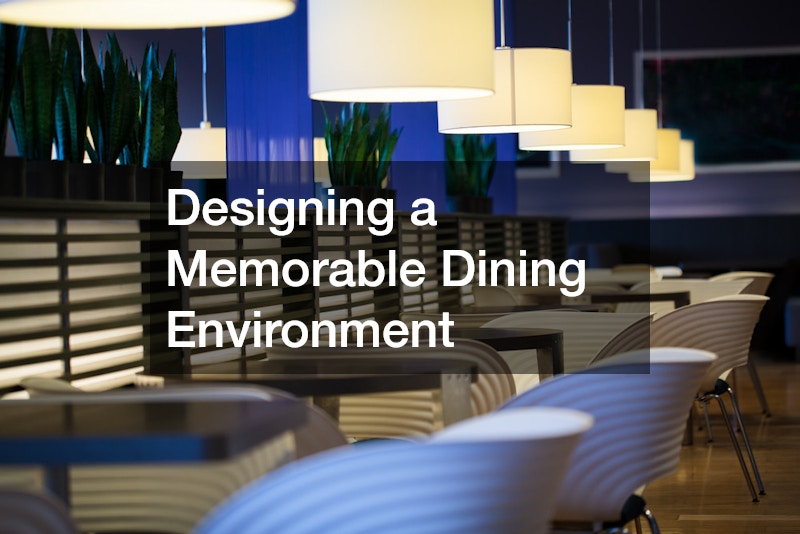
Food quality remains central to a restaurant’s reputation, but the appearance and comfort of the dining space also influence the customer experience. Interior design choices can shape how guests perceive the brand and how long they choose to stay.
Flooring, lighting, furniture, artwork, acoustics, colors, and textiles all contribute to the atmosphere. Some restaurants incorporate handmade rug services to create custom floor coverings that match a specific design concept or add visual character to dining rooms, lounges, or private event spaces.
Custom rugs can be designed around brand colors, architectural features, or cultural influences. They may also help soften sound in large dining rooms with hard flooring and high ceilings.
However, restaurant flooring materials must always be selected with safety and maintenance in mind. Rugs should be positioned where they will not create trip hazards or interfere with service routes. They should also be easy to clean and durable enough to withstand heavy foot traffic.
Thoughtful interior design allows a restaurant to create an environment that complements its menu and overall concept.
Learning From Strong Restaurant Concepts
Restaurant operators can often gain useful insights by studying how other food businesses organize their menus, service styles, and customer experiences. Visiting a well-run local mexican seafood restaurant, for example, may reveal ideas about kitchen workflow, dining room design, takeout service, ingredient presentation, or regional branding.
Different restaurant concepts face different operational challenges. Seafood restaurants may require specialized refrigeration, ice production, drainage, and sanitation practices. High-volume quick-service establishments may focus more heavily on speed, equipment durability, drive-through traffic, and streamlined layouts.
Fine dining restaurants may invest more in interior finishes, custom fixtures, lighting, table spacing, and acoustics. Bars and entertainment venues may require additional security, soundproofing, fire protection, and outdoor crowd-management solutions.
Observing successful restaurants does not mean copying their concept. Instead, owners can examine how different establishments solve common operational problems and apply those lessons to their own businesses.
Supporting Renovations and Expansion
Restaurants rarely remain unchanged forever. Growing businesses may add seating, remodel kitchens, expand patios, renovate restrooms, or open additional locations. These projects often require coordination among many specialized trades.
A restaurant expansion may involve electricians, plumbers, HVAC contractors, architects, metalworkers, paving crews, fire protection professionals, equipment installers, and fuel providers. Planning these services carefully can help prevent delays and unexpected expenses.
Owners should begin with a clear understanding of operational goals. Increasing seating capacity may require additional restroom facilities or parking spaces. Adding new cooking equipment may require electrical upgrades, ventilation changes, or greater fuel capacity. Expanding an outdoor dining area may involve railings, paving, lighting, drainage, and weather protection.
Local building codes and permit requirements should also be reviewed early. Making structural or mechanical changes without proper approvals can delay inspections and opening dates.
Strong project coordination makes it easier for restaurant owners to continue serving customers while improvements are underway.
Building a Dependable Vendor Network
Restaurant managers often develop extensive lists of vendors, technicians, and service providers. Maintaining strong relationships with these companies can make everyday operations much easier.
An effective vendor network may include food distributors, equipment repair companies, waste removal providers, cleaning contractors, plumbers, electricians, HVAC technicians, fire protection companies, paving contractors, fuel suppliers, fabricators, and security professionals.
Owners should keep emergency contact information readily available and document service histories for important systems. Maintenance records can help identify recurring equipment problems and make it easier to plan replacement schedules.
Whenever possible, restaurants should schedule preventive service rather than waiting for something to break. Emergency repairs are often more disruptive and may occur at inconvenient times.
Vendor relationships can also become particularly valuable during renovations, seasonal changes, or business expansion. Contractors who already understand the property may be able to diagnose problems more quickly and recommend practical improvements.
Keeping Operations Strong for the Long Term
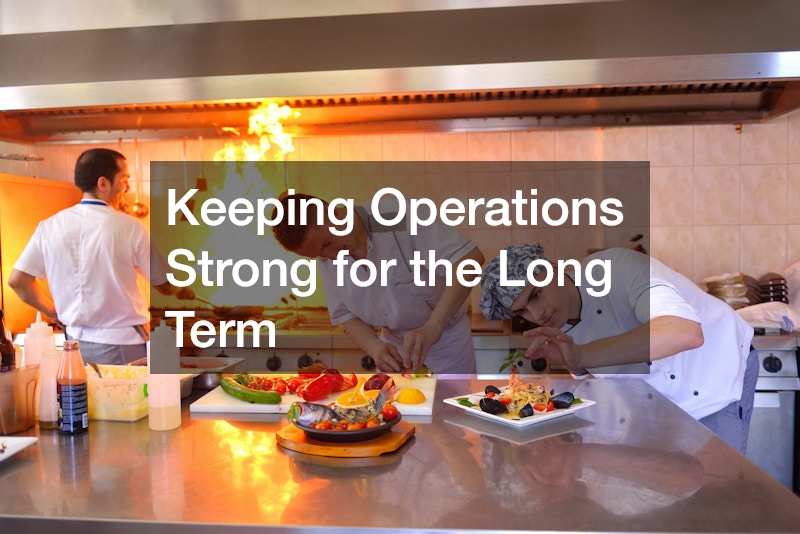
Successful restaurants depend on many systems working together. Cooking equipment must remain reliable, waste must be handled properly, fire protection must be maintained, and customers must be able to safely access the property. Fuel supplies, railings, custom fixtures, indoor air quality, and interior design also contribute to smooth daily operations.
Restaurant owners who treat maintenance and professional services as ongoing investments are better prepared to prevent disruptions. Instead of reacting to every problem after it occurs, managers can create inspection schedules, maintain service records, and build relationships with dependable local providers.
These behind-the-scenes efforts support the customer experience in ways diners may never notice. When equipment works, parking areas are maintained, safety systems are ready, and facilities are comfortable, employees can focus more of their attention on food and service.
A restaurant may ultimately be judged by what arrives at the table, but the systems supporting that experience extend far beyond the kitchen. By managing those systems carefully, restaurant owners can create safer workplaces, more efficient operations, and stronger foundations for long-term growth.